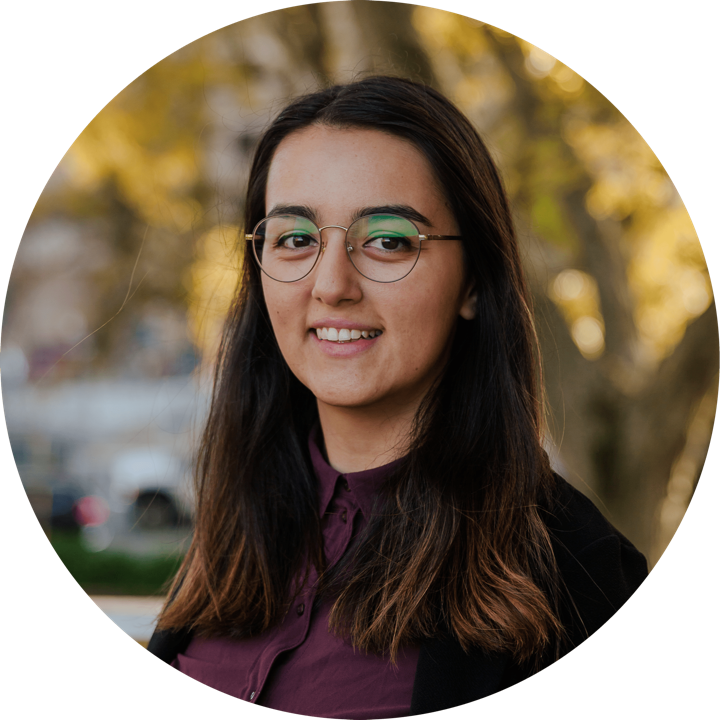
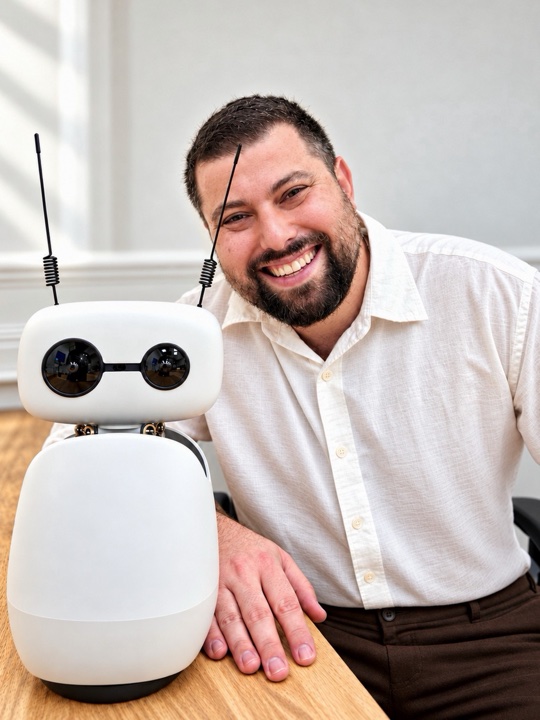
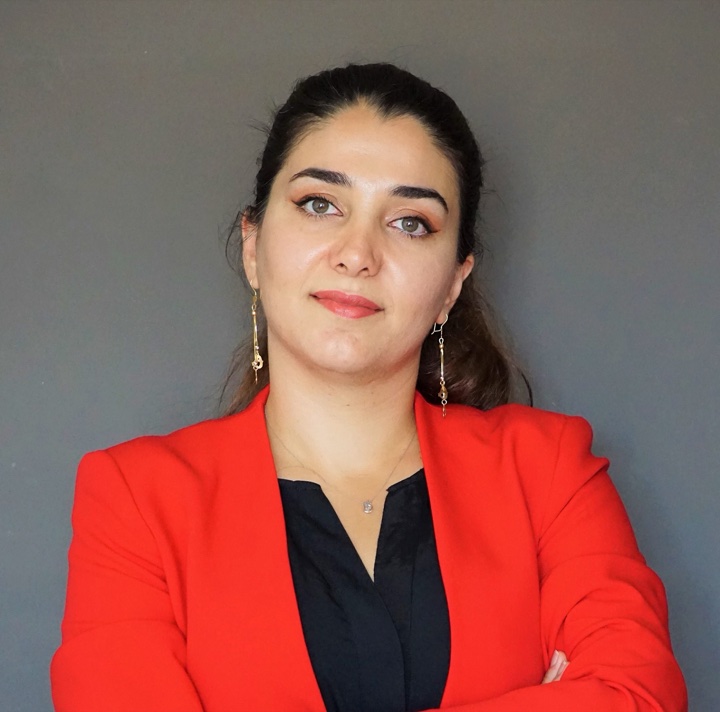
Çağıltay studies how families live with robots. Her work brings family theories into child–robot interaction and includes the Family-Robot Routines Inventory, a tool for studying where robots fit into everyday routines.
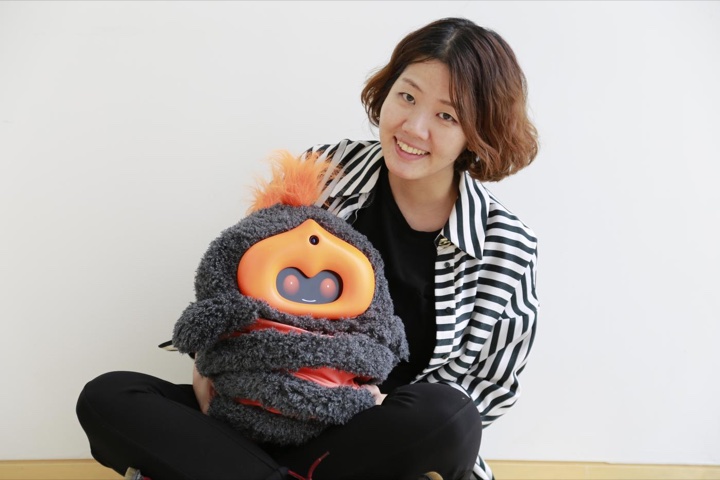
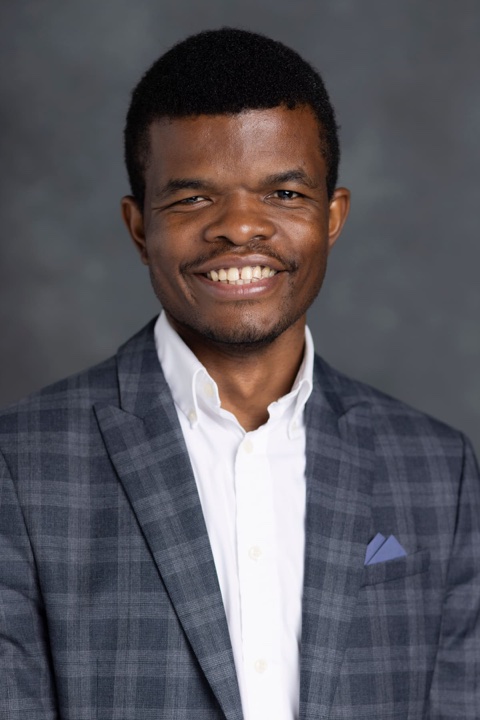
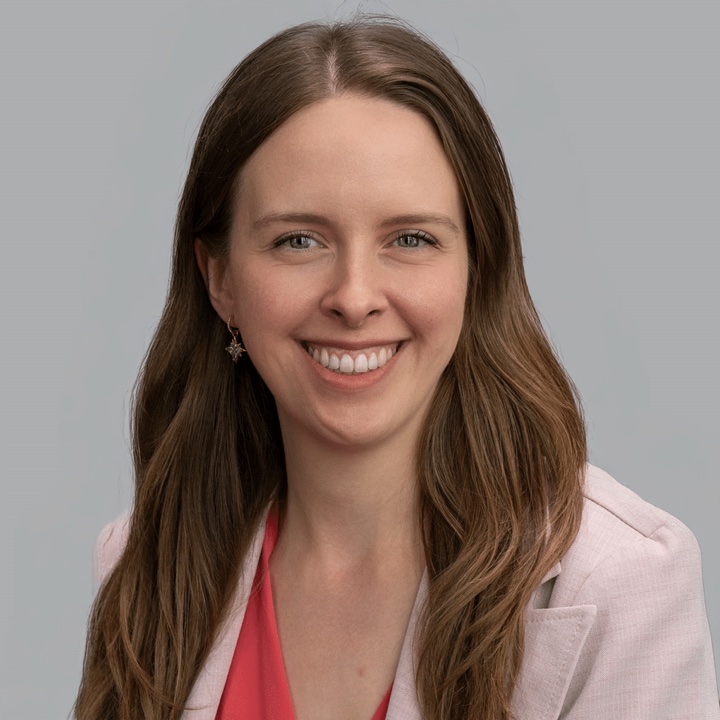
Park studies how personalised social robots take part in children’s and families’ lives over time. Her research includes home deployments that examine what happens to conversations between family members when a robot joins them.
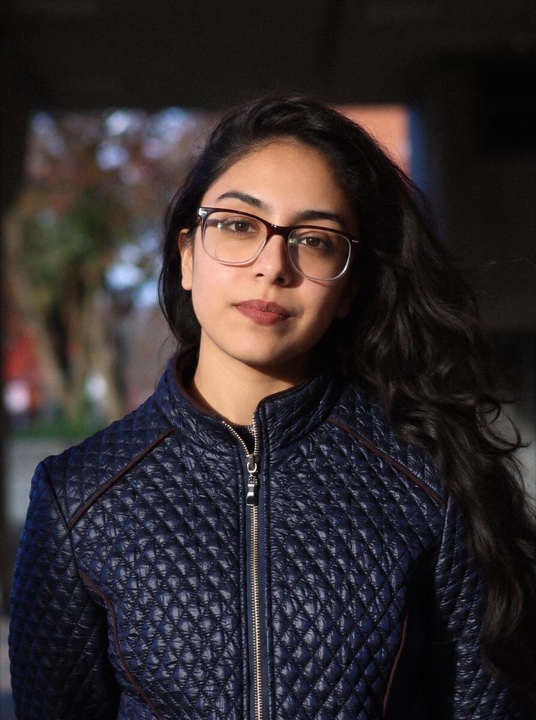
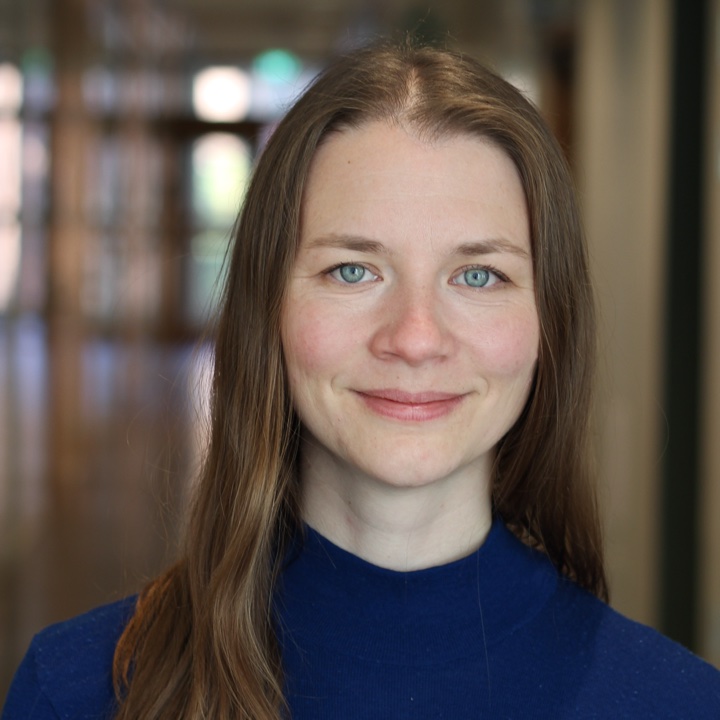
Ramnauth studies long-term, in-home robot interactions with autistic children and adults. Her research includes examining gaze during home deployments and reviewing how robots have been used in autism research.
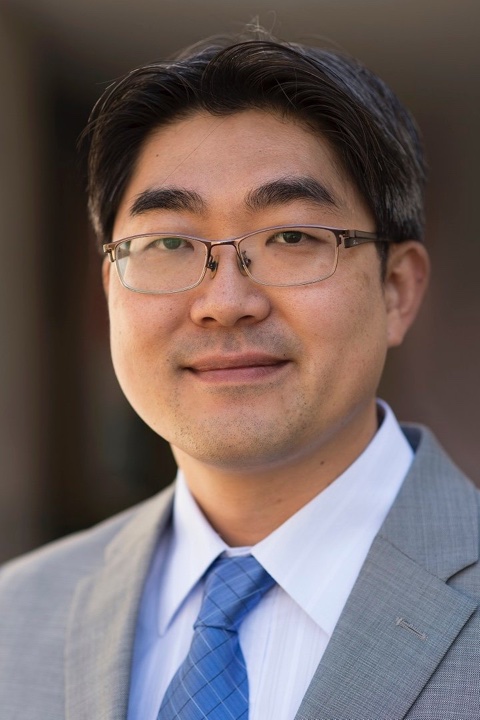
Park directs the Assistive Robotics and Tele-Medicine Lab. His work with autistic children explores how music and sensory experiences can support social and emotional engagement with a robot.
Both communities study the same living rooms, yet rarely meet.
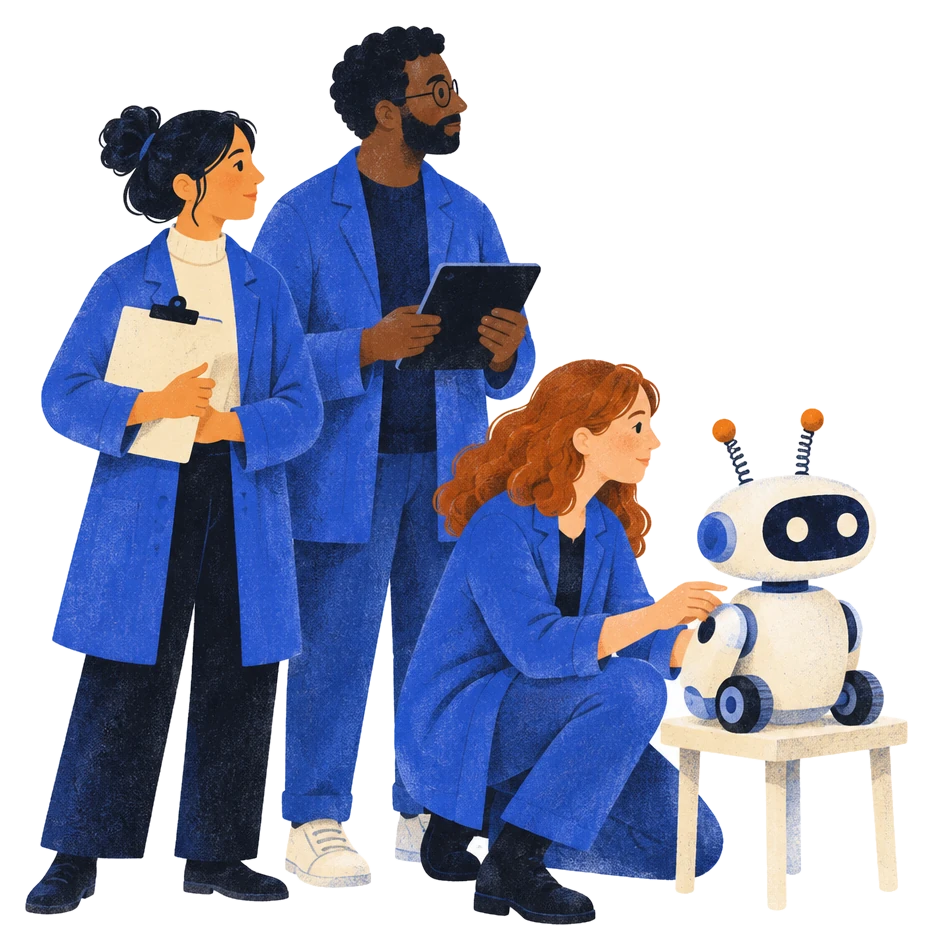
Autism-focused HRI
Autism-focused HRI has developed ways to tailor robots to individual sensory and communication preferences. Yet when a study centres on one person, parents and siblings often appear only as helpers or observers.
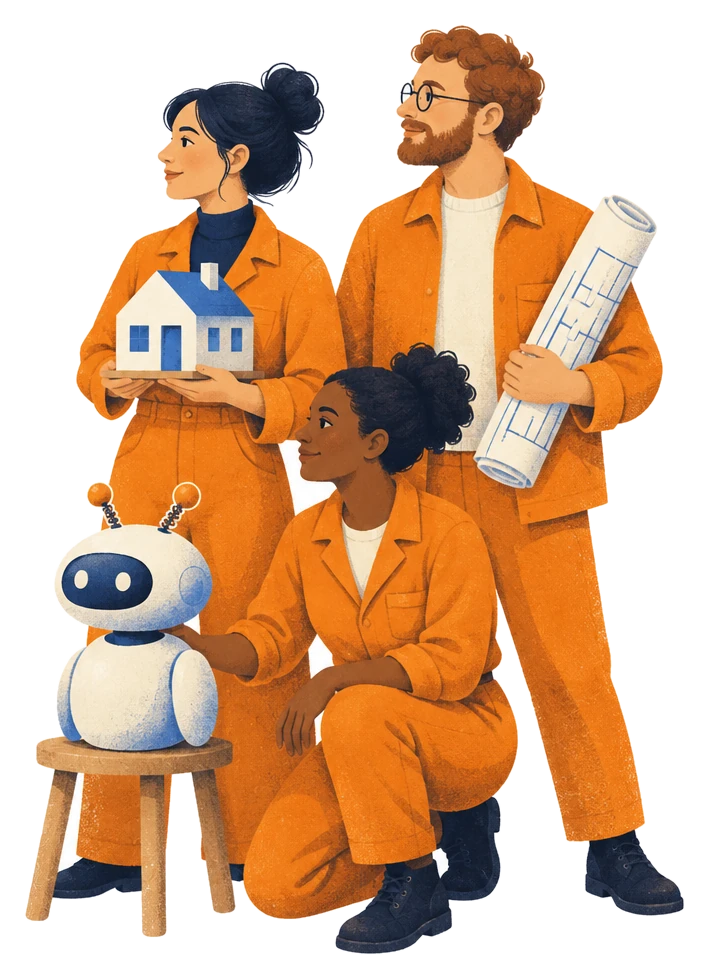
Robots in family life
Research on robots in families offers another starting point. It asks how people make room for a robot in a shared activity, negotiate its role, or decide to set it aside. Much of that work has assumed neurotypical households.
Autism-focused HRI brings
Theories, methods and measures that transfer in each direction
Research on robots in family life brings
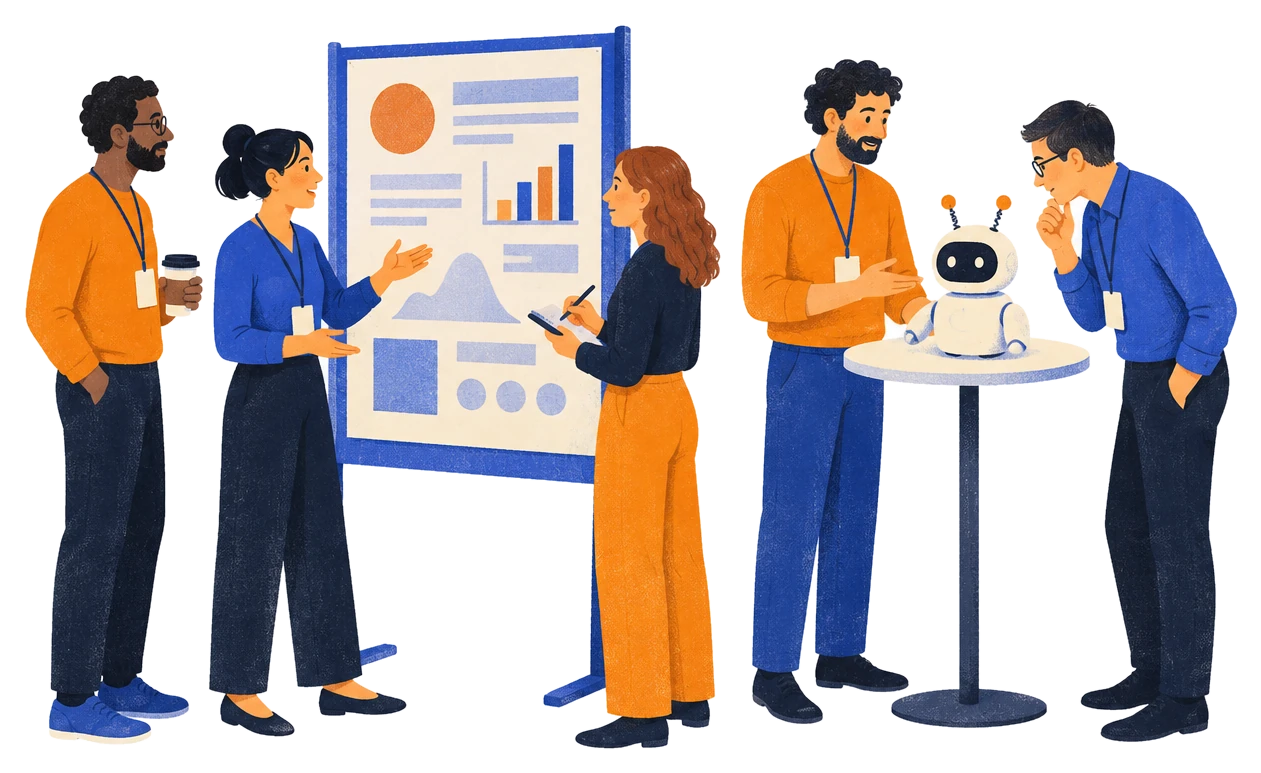
We are bringing these communities together to exchange methods and design studies neither could develop alone.
We will examine forms of engagement that common measures can overlook, including parallel play, scripted speech and interaction around a shared interest. Participants will help shape a joint perspective paper on research priorities for robots in autistic family life.
Objectives
01
Map the two literatures onto one another and identify theories, methods, and measures that transfer in each direction.
02
Surface forms of engagement and connection in autistic family life that current robot designs and evaluation methods overlook.
03
Seed concrete collaborations through peer-reviewed short papers and facilitated working groups.
04
Produce a jointly authored perspective paper that proposes a shared research agenda for robots in autistic family life.
Who it is for
HRI researchers, designers, and practitioners working on
a
Robots for autistic children and adults
b
Robots in homes and family life
c
Child–robot interaction, long-term deployment, personalisation, and participatory design
We especially welcome autistic researchers, researchers who are parents or siblings in autistic families, clinicians, educators, and industry developers of home robots. No prerequisites are required.
Working groups
Four bridge themes.
Participants self-select into four facilitated groups. Each group writes a one-page “bridge brief”: a claim, a gap in current knowledge, a method the two communities can share, and a sketch of a study.
The programme alternates between input (keynotes, papers) and production (working groups, panel, synthesis). Tentative schedule; times are indicative and local to Santa Clara.
09:0011:0013:0015:0017:00
Welcome and framing
15 min
Keynote: Bengisu Çağıltay
Koç University
40 min
Keynote: Hae Won Park
MIT Media Lab
40 min
Coffee and poster/demo gallery
30 min
Paper session A
Lightning talks, 6 × 7 minutes
45 min
Keynote: Rebecca Ramnauth
Yale University
40 min
Lunch
60 min
Keynote: Chung Hyuk Park
George Washington University
40 min
Paper session B
Lightning talks, 6 × 7 minutes
45 min
Working groups
Four bridge themes, one bridge brief per group
55 min
Coffee
15 min
Panel
Keynote speakers respond to the bridge briefs
35 min
Synthesis and closing
Paper outline and authorship sign-up
20 min
How the day works
1
Method cards
At registration, each participant will be asked for a short “method card” describing one measure, protocol, way of analysing observations or design technique they would like to share. The cards will be displayed in the gallery and will give the groups a place to start.
Each group will write a one-page “bridge brief” with a claim, a gap in current knowledge, a method the two communities can share and a sketch of a study.
3
Panel and vote
The keynote panel will respond to the briefs. Participants will vote on which ideas to develop and can sign up to contribute to the joint perspective paper.
4
Joint perspective paper
The organisers plan to circulate a first draft to contributors within three months of the workshop.
Organisers
The organising team.
Guy Laban
Ben-Gurion University of the Negev
Assistant Professor in the Department of Industrial Engineering and Management, and a researcher and steering committee member of the Azrieli National Center for Autism and Neurodevelopment Research. His research examines how people, including autistic children and adults, communicate and share emotions with social robots and conversational agents.
Assistant Professor of Industrial and Systems Engineering, where he directs the Human Factors Engineering for Autonomous Living (HEAL) Laboratory. His research designs human-robot systems that support everyday living, health, and wellness.
SERC Wallenberg Postdoctoral Fellow in the Personal Robots Group. Her research develops autonomous social robots that shape group interaction and foster inclusion, including among children with and without disabilities.
Postdoctoral Researcher in LabaLab, the Language, Affect and Behaviour in AI Lab. He trained in the Robotic Musicianship Group at Georgia Tech. His current research examines expressive, non-verbal robot behaviour as a channel for connection with autistic people and their families.
Lecturer in Computer Science. Her research develops cognitive and explainable models for child-robot interaction in learning contexts, including how parents and children form their initial understanding of social robots.
PhD student in LabaLab, the Language, Affect and Behaviour in AI Lab. He works on proactive agents powered by large language models, focusing on how proactive interactions with these agents influence the way people communicate and interact with one another, and develops methods to analyse and evaluate these effects.
University of Tennessee, Knoxville, and Max Planck Institute for Intelligent Systems
Assistant Professor of Electrical Engineering and Computer Science, where she directs the Social Tactile and Assistive Robotics and Intelligence (STARI) Lab. Her research gives robots social touch and emotional expressiveness for therapy and care.